

New Fuel Price Hike Revives Debate Over Controversial EPRA Subsidy Case Filed by Lawyer Kevin Turunga Ithagi
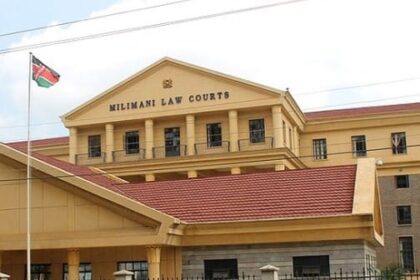
Fresh fuel price increases announced by the government have once again renewed debate over Kenya’s controversial fuel pricing and subsidy model that was previously challenged in court through a constitutional petition filed by lawyer Kevin Turunga Ithagi against the Energy and Petroleum Regulatory Authority (EPRA).
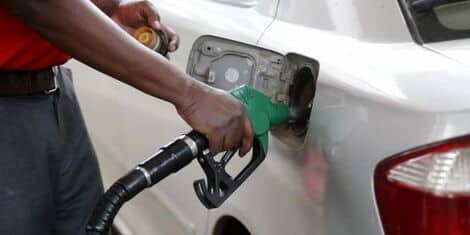
The renewed concerns come after EPRA announced a sharp increase in fuel prices effective May 15, 2026 to June 14, 2026, with Super Petrol rising by Ksh16.65 per litre and Diesel increasing by a massive Ksh46.29 per litre.
The latest adjustments have reignited public criticism over the government’s fuel pricing formula, taxation structure and subsidy mechanisms, issues that formed the basis of a landmark petition filed in 2023 by Kevin Turunga Ithagi against EPRA and the Cabinet Secretary for Energy.
In the petition, Ithagi challenged EPRA’s decision to implement a cross-subsidization scheme where Super Petrol prices were used to cushion Diesel prices, arguing that the process lacked transparency, accountability, procedural fairness and adequate public participation.
Court documents show the petitioner accused EPRA of unlawfully imposing additional costs on Super Petrol consumers while maintaining subsidies on Diesel and Kerosene users.
The case further questioned whether the subsidy structure violated constitutional provisions on fairness, equality, taxation and consumer rights under Articles 10, 27, 40, 47, 201 and 210 of the Constitution.
The petition emerged at a time when Kenyans were already grappling with high fuel prices and a rising cost of living following changes introduced after the government partially removed fuel subsidies in 2022.
According to court records, EPRA defended the scheme by arguing that Diesel is a major driver of the economy due to its use in transport, agriculture and industrial production, and that cushioning Diesel prices was necessary to prevent further inflation and economic strain.
The government also maintained that the subsidy framework was legally anchored under the Petroleum Development Levy Order and existing petroleum pricing regulations.
In January 2024, the High Court dismissed the petition, ruling that EPRA had acted within its statutory mandate and that the cross-subsidy model was lawful and justified in the broader public interest.
The court further held that the government had provided sufficient justification for the subsidy measures, noting that Diesel consumption significantly affects transportation, food production and industrial activity across the country.
However, the latest fuel price review has once again intensified criticism from consumers, transport operators, businesses and manufacturers, many of whom argue that continued increases in fuel prices continue to place additional pressure on households and economic activity.
Several companies and industry players have in recent months also complained about rising operational costs linked to fuel pricing, warning that the continued increases are likely to translate into higher consumer prices, transport costs and inflation across multiple sectors.
Under the latest EPRA review, Nairobi motorists will now pay Ksh214.25 per litre for Super Petrol and Ksh242.92 per litre for Diesel, while Kisumu residents will pay Ksh213.91 for Super Petrol and Ksh243.14 for Diesel.
EPRA attributed the latest increase to rising international landed costs of imported petroleum products and fluctuations in global fuel markets.