

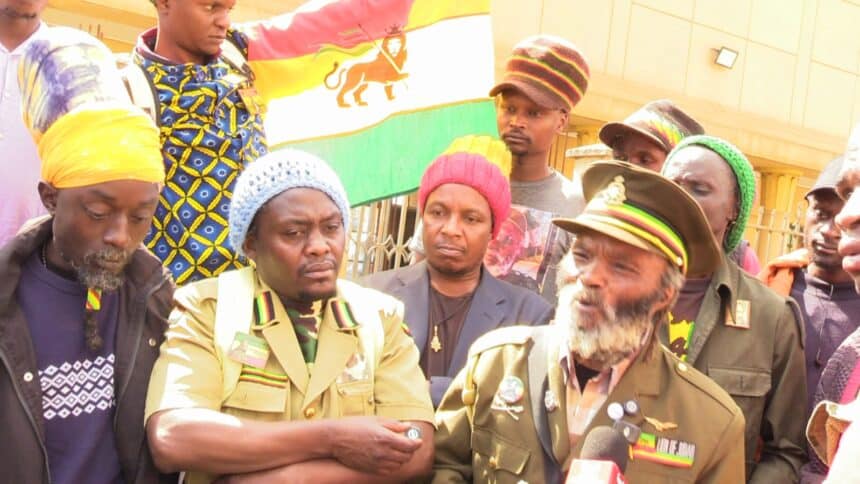
The High Court has dismissed a petition by members of the Rastafarian community seeking legal protection for the use of cannabis during religious worship, finding that they failed to demonstrate that Kenya’s narcotics laws violate the Constitution.
In a judgment delivered on Wednesday, Justice Bahati Mwamuye ruled that the petitioners had not provided sufficient evidence to prove that the Narcotic Drugs and Psychotropic Substances (Control) Act infringes on their constitutional rights to freedom of religion, conscience and belief.
The petition sought a declaration that cannabis is a sacred element of the Rastafarian faith and asked the court to exempt adherents from criminal liability arising from its cultivation, possession and use for religious purposes.
However, the court held that the petitioners did not establish that the prohibition of cannabis imposes an unconstitutional limitation on the practice of their religion.
Justice Mwamuye observed that although the Constitution safeguards freedom of religion, the right is subject to lawful limitations where necessary to protect broader public interests, including public health and safety.
The judge further affirmed that the laws criminalising the cultivation, possession and use of cannabis remain valid and enforceable, adding that any exception for religious use would require a proper constitutional and legal basis, which had not been demonstrated in the case before the court.
Even as he dismissed the petition, Justice Mwamuye acknowledged the growing debate surrounding cannabis policy in Kenya and encouraged broader public engagement on the issue.
“We ought to have frank conversations on cannabis and which direction we should take,” the judge said.
The ruling means members of the Rastafarian community will not receive a religious exemption from Kenya’s drug laws and will continue to be subject to the provisions of the Narcotic Drugs and Psychotropic Substances (Control) Act.
The judgment leaves the existing legal framework unchanged, with any future recognition of religious or other exemptions likely requiring legislative reform or a different constitutional basis rather than judicial intervention.