
The High Court is set to determine whether regulations enforced by the National Transport and Safety Authority (NTSA) against decorated public service vehicles violate constitutional protections, following a petition challenging their legality and enforcement.
The case, filed in 2025 by Michael Makubo William, contests NTSA regulations and an enforcement notice requiring public service vehicles with graffiti, artistic designs, customised lighting or tinted windows to remove the features or face penalties.
The petitioner argues that the rules unlawfully target nganya culture, a matatu subculture known for elaborate artwork and creative modifications.
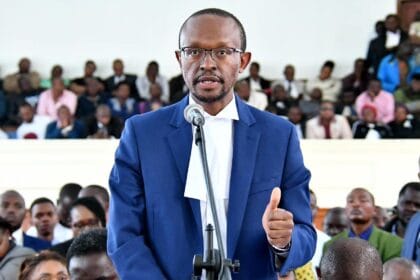
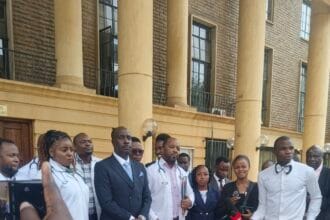
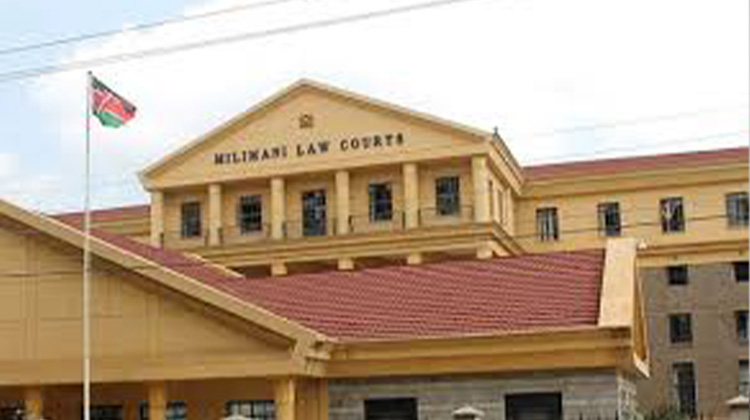
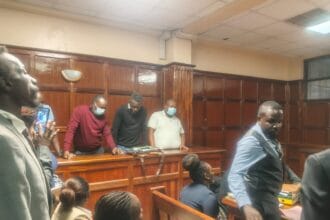
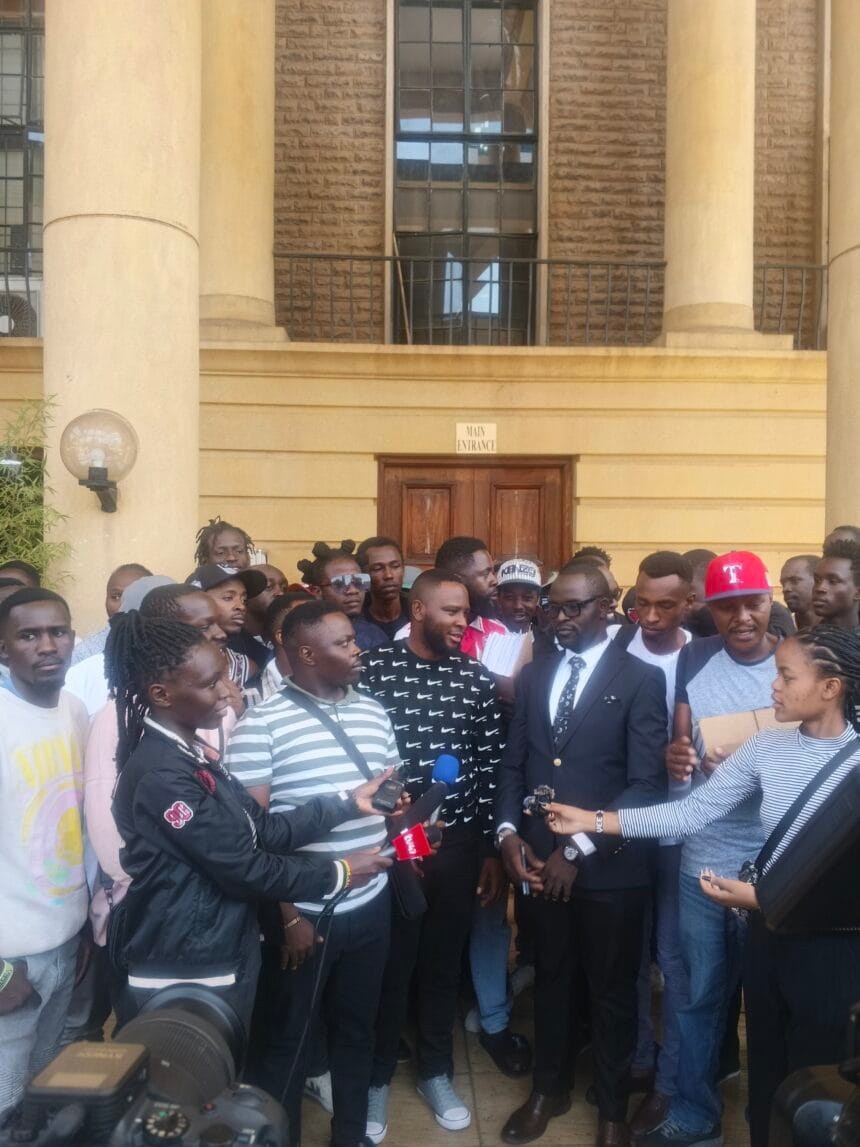
When the matter came up for hearing on January 21, 2026, before Justice Bahati Mwamuye at the Milimani Law Courts, the petitioner, through counsel Outa Malela, argued that the regulations were implemented without meaningful public participation and were not properly laid before Parliament within timelines required under the Statutory Instruments Act.
The court was told that nganya culture constitutes a form of artistic and cultural expression protected under the Constitution and supports employment in both the transport and creative sectors.
The petitioner further challenged NTSA’s justification that decorated vehicles pose road safety risks, arguing that the authority failed to disclose verifiable audit criteria or evidence supporting that claim.
The petition also relies on the principle of legitimate expectation, citing past public recognition of nganya culture by State leaders and the absence of a transition period before enforcement of the directive.
In response, the State defended the regulations, stating that they were lawfully introduced, amended and considered by Parliament and that they do not impose a total ban on vehicle decorations but regulate their use in the interest of public safety.
Justice Mwamuye directed that submissions be filed and confirmed that judgment on the matter will be delivered on February 19, 2026.