

A group of parents with children in Grade 10 at Ambira High School has moved to the High Court seeking to stop the school from requiring students to pay Ksh33,000 each before being readmitted following recent unrest at the institution.
In a constitutional petition filed before the High Court, the parents argue that the decision unfairly punishes learners who were not involved in the student strike that led to widespread destruction of property and the temporary closure of the school.
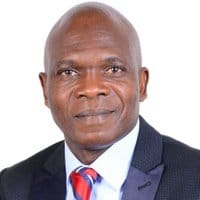
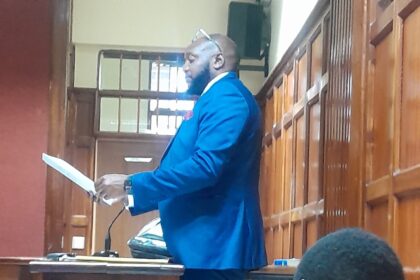
The petitioners, represented by lawyer Danstan Ndiema, claim that during a parents’ meeting held on May 21, the school administration informed them that the unrest had been carried out by Form Four students and assured them that Grade 10 learners would not be subjected to disciplinary or financial penalties arising from the incident.
According to court documents, the school later reversed its position through a letter dated May 30, directing all students, including Grade 10 learners, to report back to school and contribute Ksh33,000 each towards repairs after the damage was reportedly assessed at Ksh50 million.
The parents argue that the decision violates their children’s constitutional rights to education, fair administrative action, equality before the law and a fair hearing.
They contend that the students were never given an opportunity to be heard before the surcharge was imposed and that some learners have effectively been locked out of school because their families cannot raise the amount demanded.
The petition further states that the school administration had previously acknowledged that Grade 10 students were not responsible for the unrest and therefore should not bear the financial burden of repairing damaged property.
The parents are seeking orders declaring the Ksh33,000 levy illegal, unconstitutional and unenforceable. They also want the court to compel the school to readmit all affected Grade 10 students unconditionally and restrain the institution from demanding the payment as a condition for returning to class.
Additionally, they are seeking compensation for the alleged violation of their children’s constitutional rights.
The respondents named in the case include the Chief Principal of Ambira High School, the school’s Board of Management, the Ministry of Education and the Teachers Service Commission.
The case is expected to raise broader questions on the extent to which schools can impose collective financial penalties on students following incidents of unrest and whether such measures comply with constitutional protections relating to education and fair administrative action.