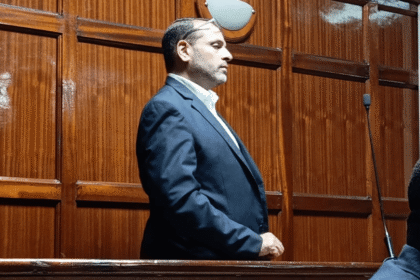


Inspector General of Police Douglas Kanja has told the High Court that the National Police Service has neither arrested nor detained Tanzanian opposition activist Twaha Mwaipaya, saying his current whereabouts remain unknown to the police.
Kanja appeared before the court to respond to questions surrounding Mwaipaya’s disappearance, which has triggered demands for an explanation from Kenya’s senior security officials.
Asked whether the activist was being held by the police, the Inspector General stated: “We don’t have the subject in any of our custody.”
Police Say Disappearance Was Reported
Kanja confirmed that Mwaipaya’s relatives had reported his disappearance at a police station, prompting the commencement of investigations.
He told the court that an investigating officer had been assigned to the matter and was also present during the proceedings.
The police chief rejected allegations that officers had arrested the Tanzanian national and secretly transported him outside Kenya without following the law.
He maintained that the National Police Service had not taken Mwaipaya into custody and had no information confirming his whereabouts.
On the wider question of alleged abductions, Kanja told the court that security agencies were not authorised to carry out such operations, arguing that abduction constitutes a criminal act rather than a legitimate security procedure.
Activist Reportedly Taken by Armed Men
Mwaipaya, who is associated with BAVICHA, the youth wing of Tanzania’s opposition party Chama cha Demokrasia na Maendeleo (CHADEMA), was reportedly seized on October 25, 2026, in the Kamulu area.
According to reports surrounding his disappearance, armed men dressed in plain clothes allegedly intercepted him and bundled him into a vehicle before driving away.
The incident raised fears that he could have been forcibly taken across the border, although his whereabouts have not been established.
Court Demands Answers From Security Chiefs
The appearance followed earlier orders by Justice Alexander Muteti requiring Kanja and Directorate of Criminal Investigations Director Mohamed Amin to attend court personally and explain what they knew about the activist’s disappearance.
Justice Muteti had declined requests by state lawyers to excuse the security chiefs from appearing in person.
The court had also directed the relevant security authorities to produce Mwaipaya, dead or alive, and provide the original detention warrant amid concerns that he could have been unlawfully detained or transferred across the border.
Human Rights Groups Demand Accountability
Senior Counsel Martha Karua, representing civil society interests including Vocal Africa, has challenged the handling of the case and called for accountability from the country’s top security officials.
The Kenya Human Rights Commission and other human rights organisations have also expressed concern over the reported disappearance, warning of the implications such incidents could have for Kenya’s standing as a refuge for political dissidents from neighbouring countries.
Kanja’s testimony now places the focus on the ongoing investigations and whether authorities can establish what happened to Mwaipaya after his reported disappearance.
The activist’s whereabouts remain unknown, and the court proceedings are expected to examine the responses from security agencies as efforts to establish his fate continue.